

MECC
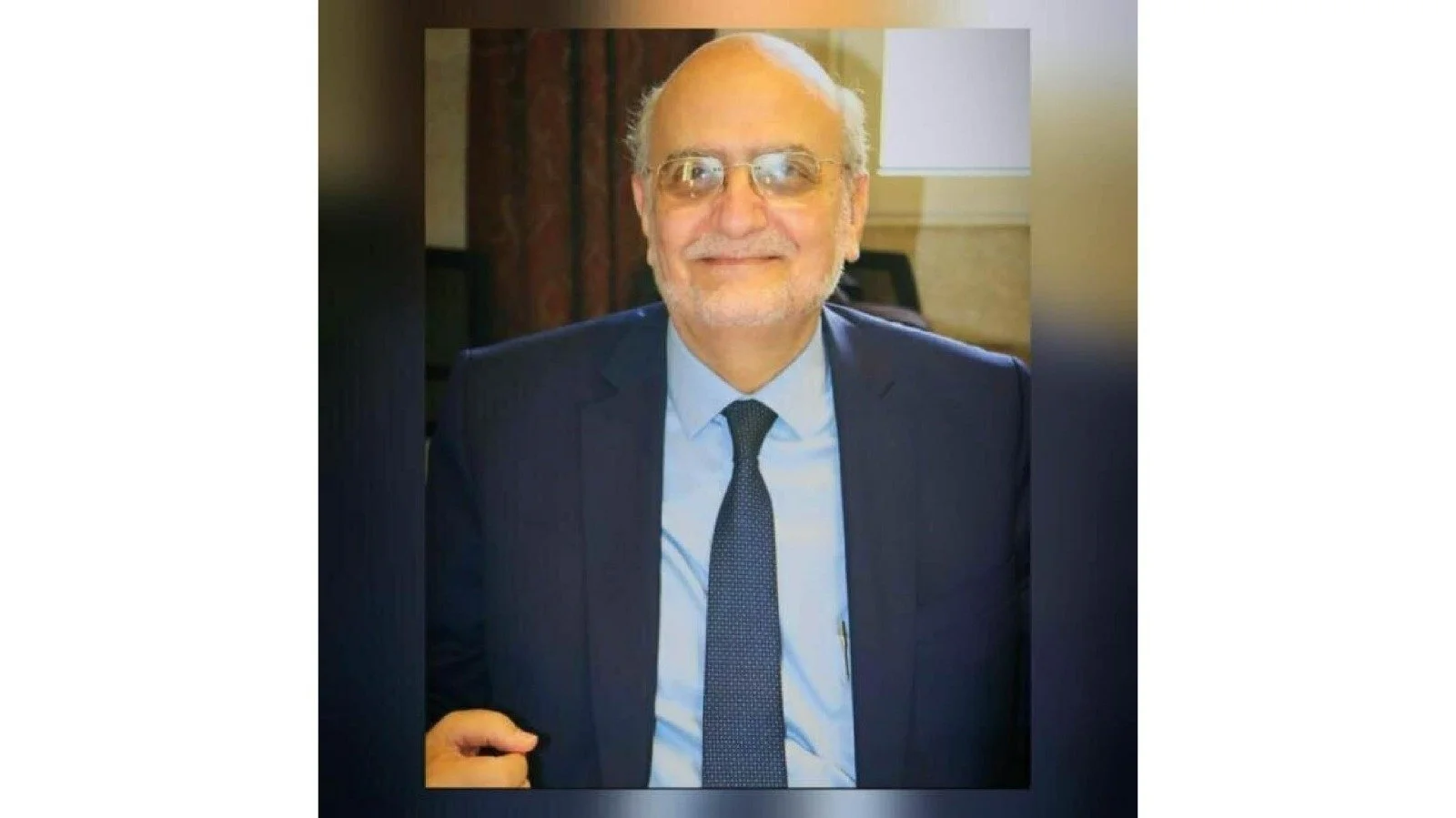
A Spiritual Summit at the Homeland-Message
Professor Michel Abs
The Secretary General of the Middle East Council of Churches (MECC)
The attacks that have shaken Lebanon over the past few months, continuing a long series of assaults that have devastated the country over years, and even decades, have disrupted many of the balances upon which societies generally are built.
Political, economic, psychological, and demographic balances have all been disturbed, along with other fragile equilibria that were never truly stable to begin with, given everything the country has endured, and continues to endure, over the past decades.
The latest war waged against Lebanon by forces of destruction, with each round usually harsher than the one before it, has produced major disruptions that will not easily subside in the foreseeable future, nor within the limits of the resources currently available. This has led to sweeping political, social, and economic chaos, further aggravated by social media platforms that open the door to those who seek to fish in troubled waters.
As a result of the large-scale displacement that took place over recent months, the first signs of internal tensions have begun to surface, along with attempts to tamper with civil peace. Everyone senses that a boiling cauldron is about to erupt, whenever the right elements of ignition become available.
In light of these realities, evident to any discerning observer, action was needed to address one of the most influential and effective factors capable of creating confusion and unrest in Lebanon: the sectarian factor. Political and security alignments are largely built upon political sectarianism, which formed the basis of the National Pact and was later reaffirmed at the end of the civil war.
Because of displacement, unemployment, poverty, and the pressure of limited living spaces, animosities have developed among some segments of the Lebanese people. These feelings have roots in both the recent and distant past, and have taken the form of mutual demonization among Lebanese groups, reinforced by hate speech that is being circulated and amplified through far-reaching social media platforms…
Video - "Ecumenical Horizons" Program: Episode 31
Produced by MECC
“Ecumenical Horizons” is a weekly program that features spiritual, cultural, intellectual, educational, youth and environmental topics.
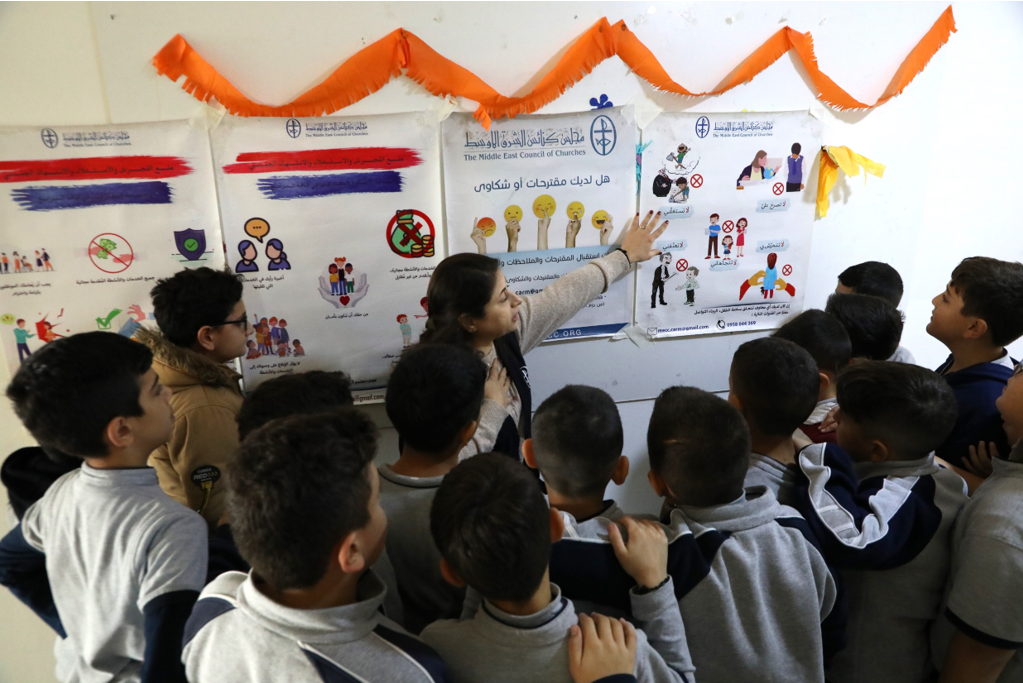
MECC Organizes Awareness Sessions to Promote a Culture of Protection and Safety Among Children in Damascus and Its Countryside
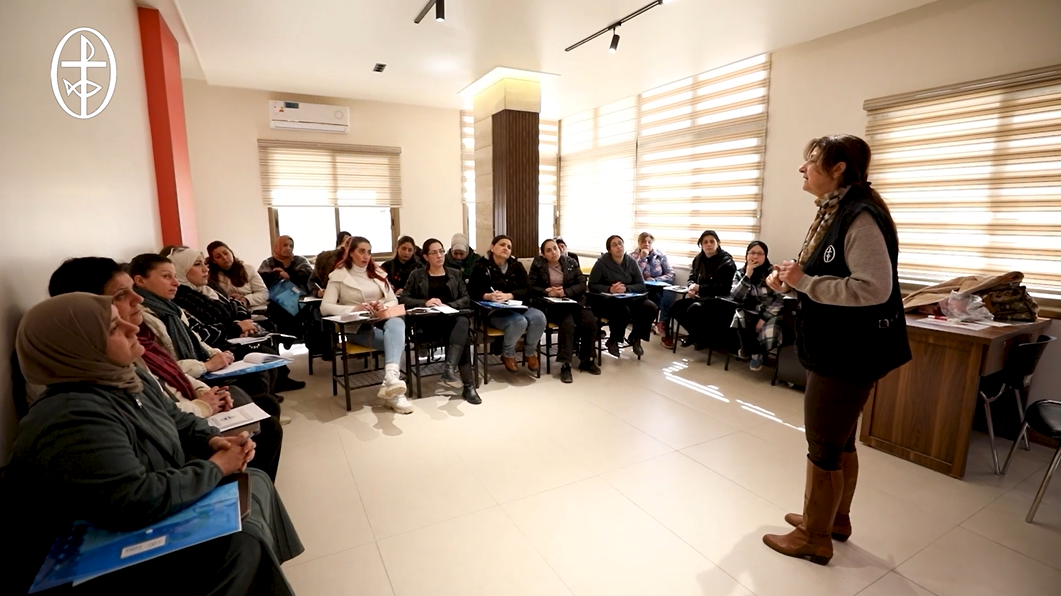
In order to promote the concept of protection and safety among children, the Middle East Council of Churches (MECC), through its Diakonia and Social Service Department – Syria’s Office, implemented awareness sessions targeting students in several private primary schools in Damascus and Rural Damascus.
The sessions focused on raising children’s awareness on personal protection concepts, sexual exploitation and harassment, and empowering them to distinguish between safe and unsafe behaviors. They also aimed to strengthen children’s ability to express themselves, respect the privacy and dignity of others, and understand the importance of speaking up and seeking help when exposed to any inappropriate behavior, without fear.
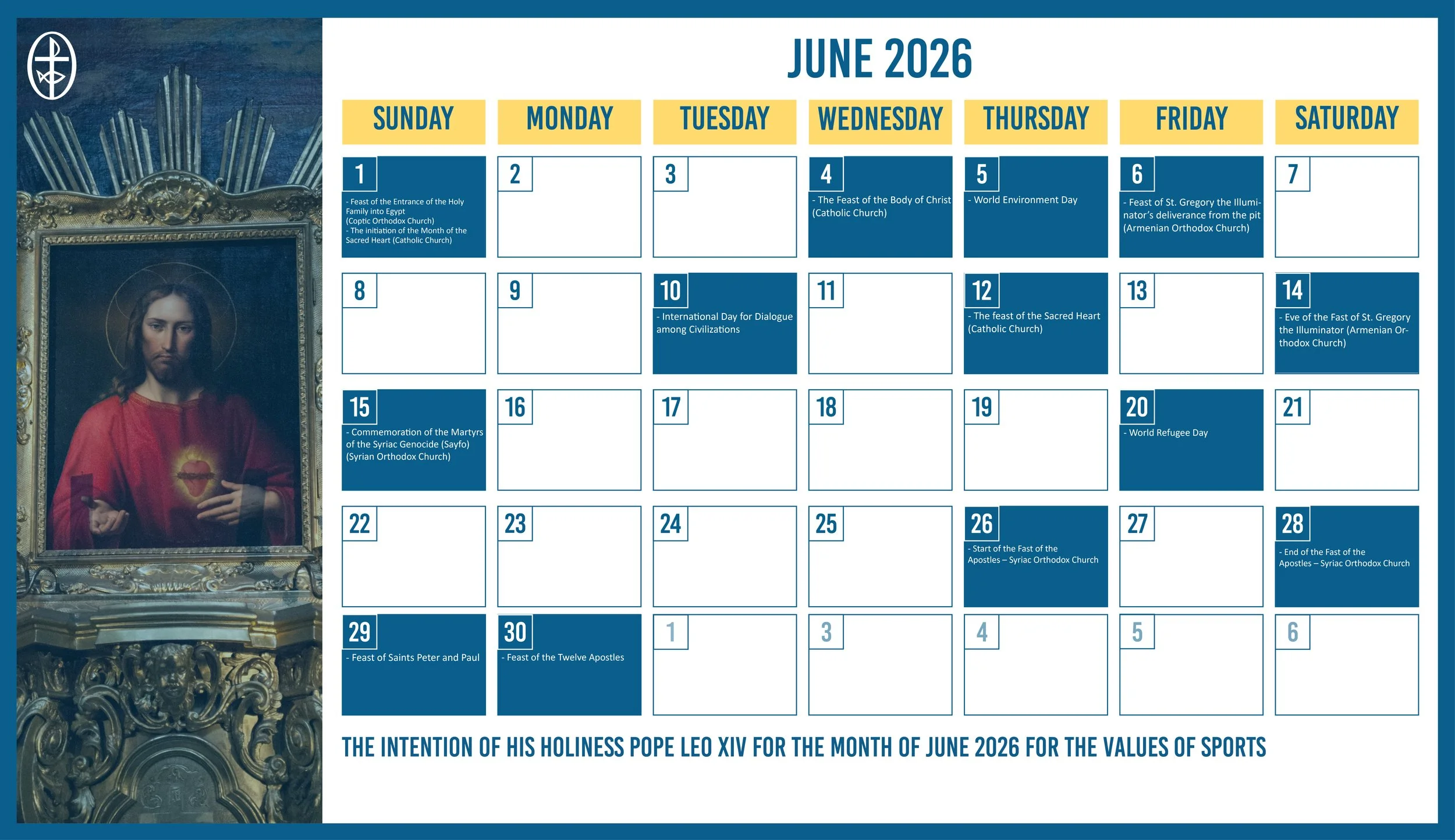
The Middle East Council of Churches Issues the Ecumenical Calendar for June 2026
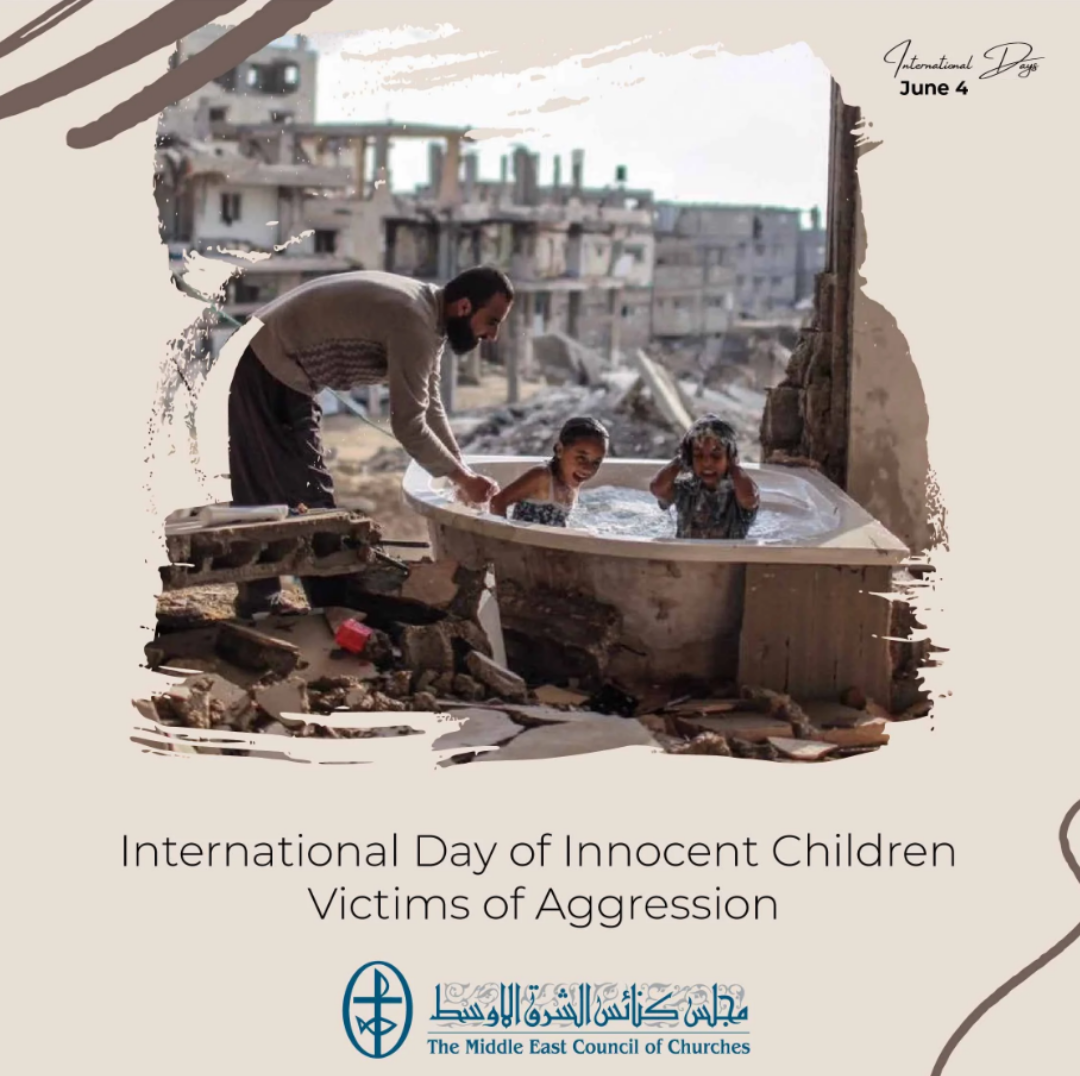
The Middle East Council of Churches (MECC) have now issued its online Ecumenical calendar for the month of June 2026. It includes the Ecclesiastical and Liturgical Feasts of the various Families of Churches in the Middle East. In addition to international days identified by the United Nations, and which are related to the MECC identity and its spiritual and human mission.
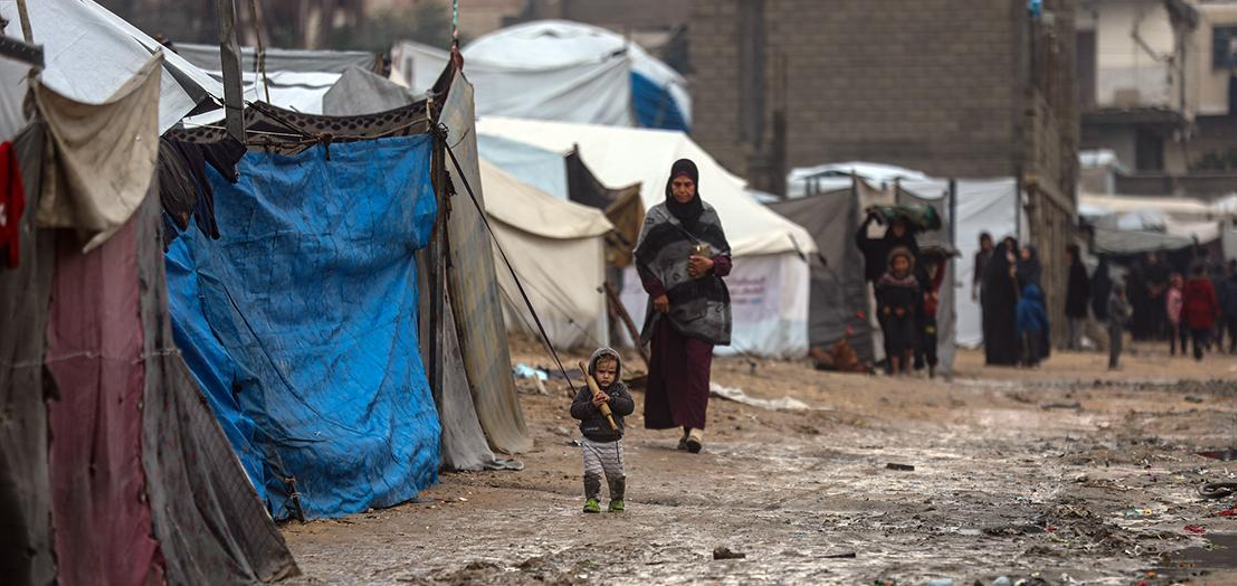
Palestine Observatory - Report: Friday 5 June 2026
مرصد فلسطين – تقرير الجمعة 5 حزيران/ يونيو 2026
In light of the worsening humanitarian and social conditions in the region due to the escalation of security operations, the Middle East Council of Churches presents a weekly report entitled "Palestine Monitor," which includes the latest developments in Palestine, especially amid the deteriorating living, social, and security conditions in the country. Some texts will be in Arabic, and some others in English, depending on the source.
في ظلّ تفاقم الظروف الإنسانيّة والاجتماعيّة في المنطقة جرّاء تصاعد العمليّات الأمنيّة فيها، يقدّم مجلس كنائس الشرق الأوسط تقريرًا أسبوعيًّا بعنوان "مرصد فلسطين" حيث يتضمّن آخر المستجدّات الّتي تشهدها فلسطين خصوصًا وسط تدهور الظروف المعيشيّة والاجتماعيّة والأمنيّة في البلاد. ستكون بعض النصوص باللغة العربية، وبعضها الآخر باللّغة الإنكليزيّة، وذلك حسب المصدر.
“Good Deal or No Deal”
Middle East Socioeconomic Overview
Report: May 2026
While the United States and Iran are still in a ceasefire, negotiations are underway to settle the conflict once and for all. Talks oscillate between news of tension and exaggerations of profound breakthrough. As such, it is still impossible to predict the likely outcome as there are too many factors at play. One thing is for certain: major differences are still unresolved and armed conflict will resume if no compromise is reached. Moreover, the Occupier, which is watching the negotiations intently, is not in favor of peace and might do something that will jeopardize the talks.
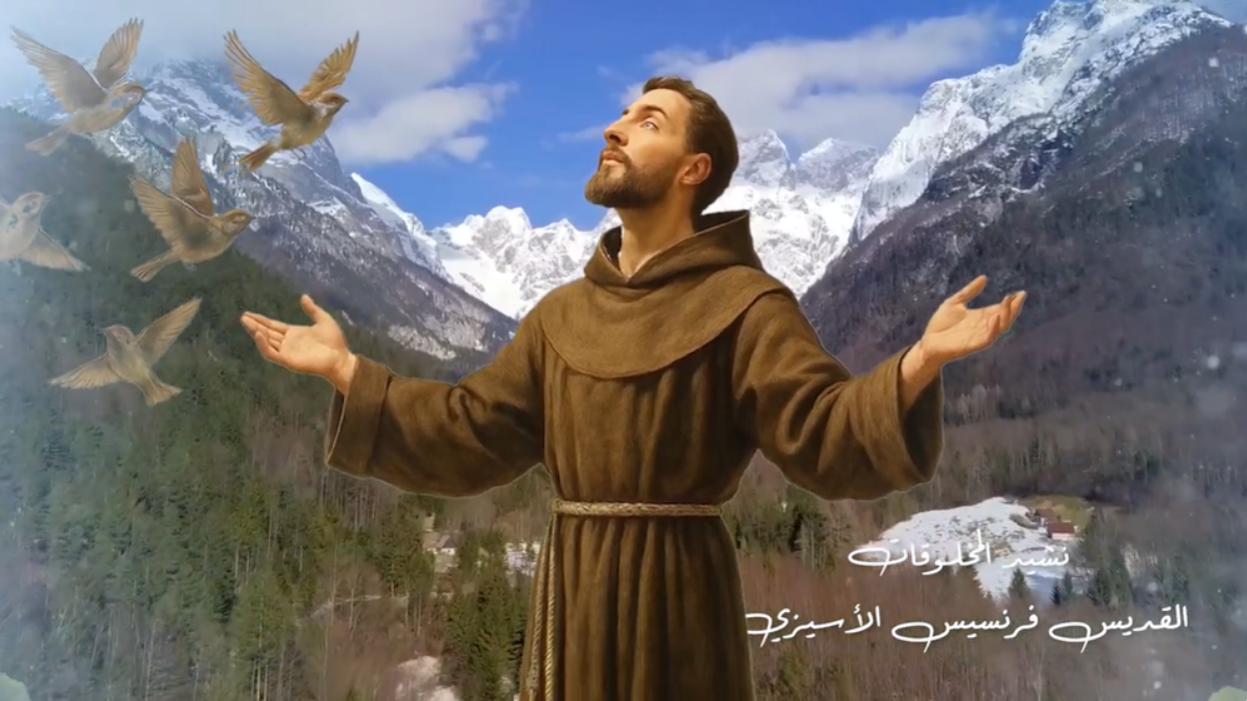
Video - The Canticle of the Creatures By Saint Francis of Assisi
Performed by: The Glory of Heaven Choir
Video Produced By MECC

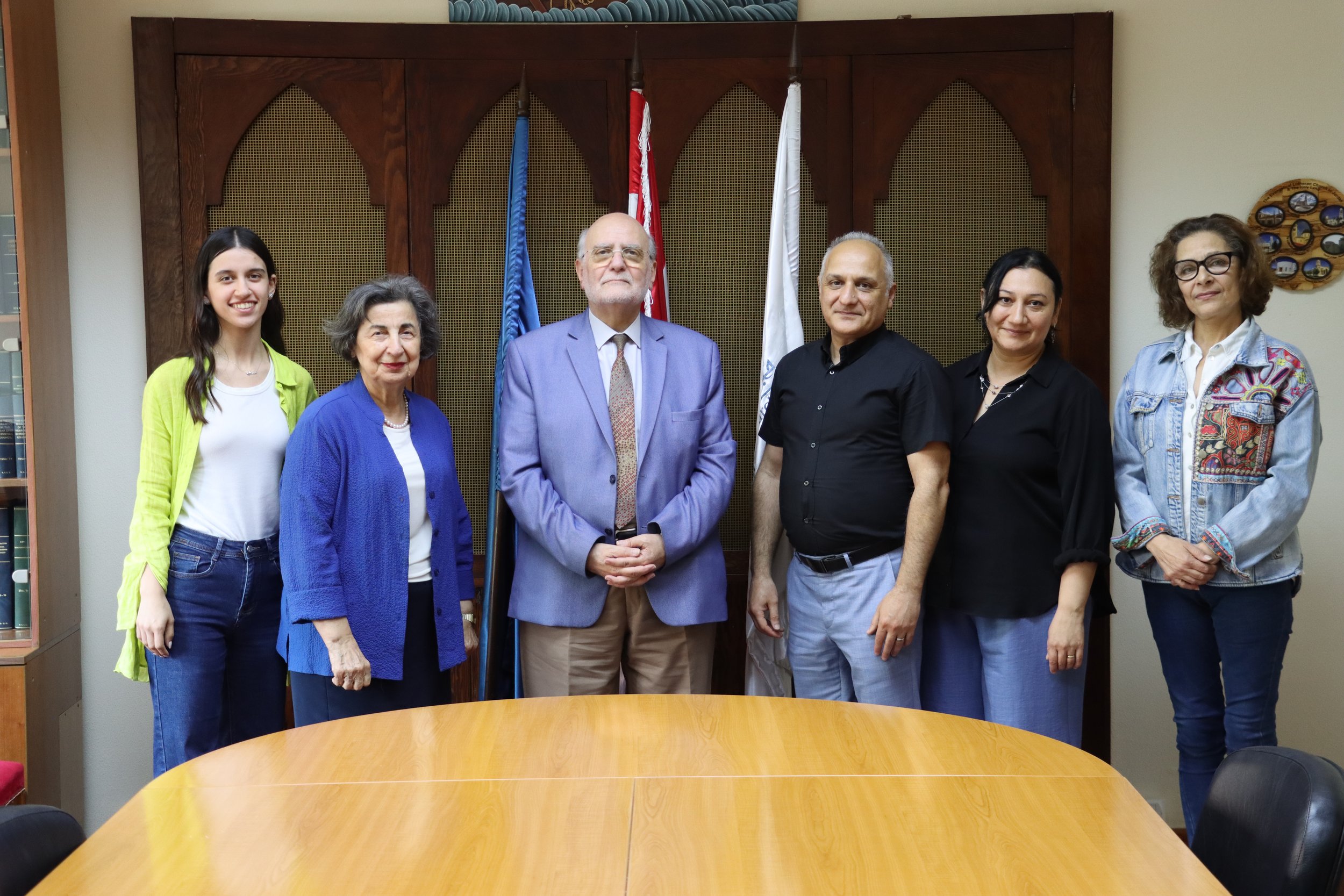
Reverend Avetik Khachatryan
The Senior Pastor of the Armenian Evangelical Church of Armenia, and His Wife
Visit the Middle East Council of Churches
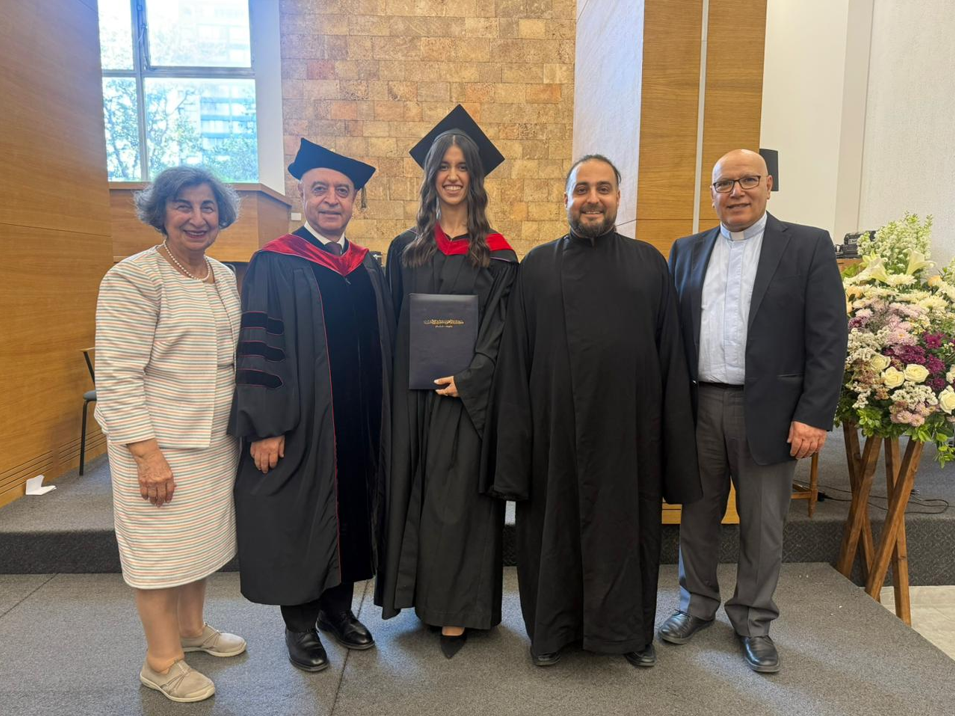
The Near East School of Theology in Beirut Celebrates the Graduation of Its Students, Among Whom One of Our Colleagues
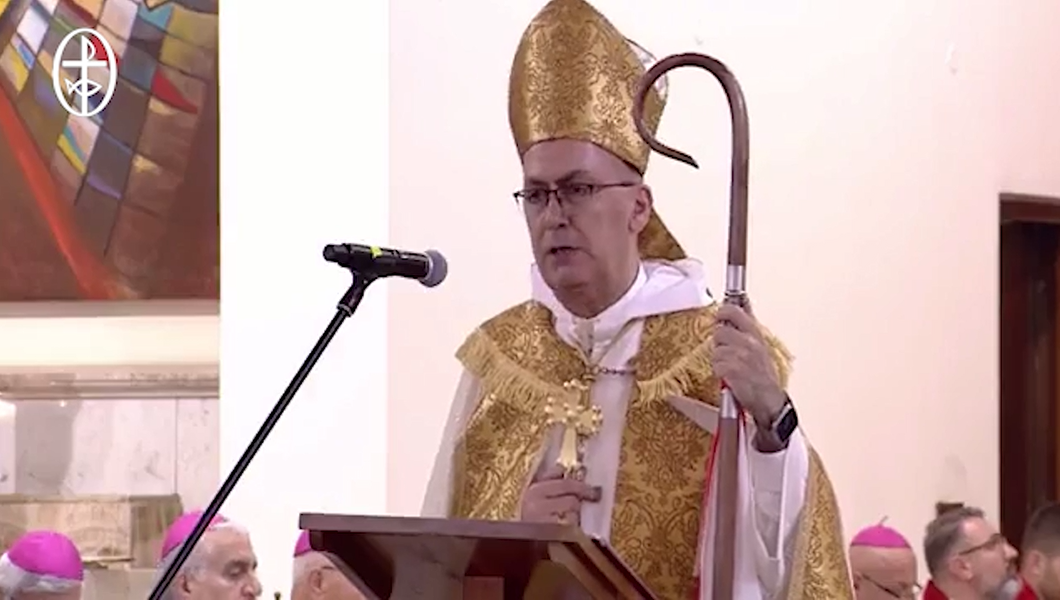
The Near East School of Theology (NEST) in Beirut held a graduation ceremony for its students on Saturday, May 30, in the School’s Church, in the presence of Reverend Dr. Paul Haidostian, President of the Union of the Armenian Evangelical Churches in the Near East (UAECNE), President of Haigazian University in Lebanon, and President of the Middle East Council of Churches (MECC) for the Evangelical Family, and His Eminence Archbishop Hosam Naoum , Anglican Archbishop in Jerusalem and Primate of the Episcopal Church in Jerusalem and the Middle East, and Member of the MECC Executive Committee.
Attendees were also the NEST President Dr. Martin Akkad, NEST Dean Reverend Dr. Rima Nasrallah, MECC Associate Secretary General Mrs. Seta Hadeshian, Director of the MECC Theological and Ecumencial Department Father Dr. Antoine Al Ahmar, and Coordinator of the MECC Eco Justice Unit Environmental Justice Unit Father Movses-Garen Yosolkanian, NEST Teachers and team, parents and guests.

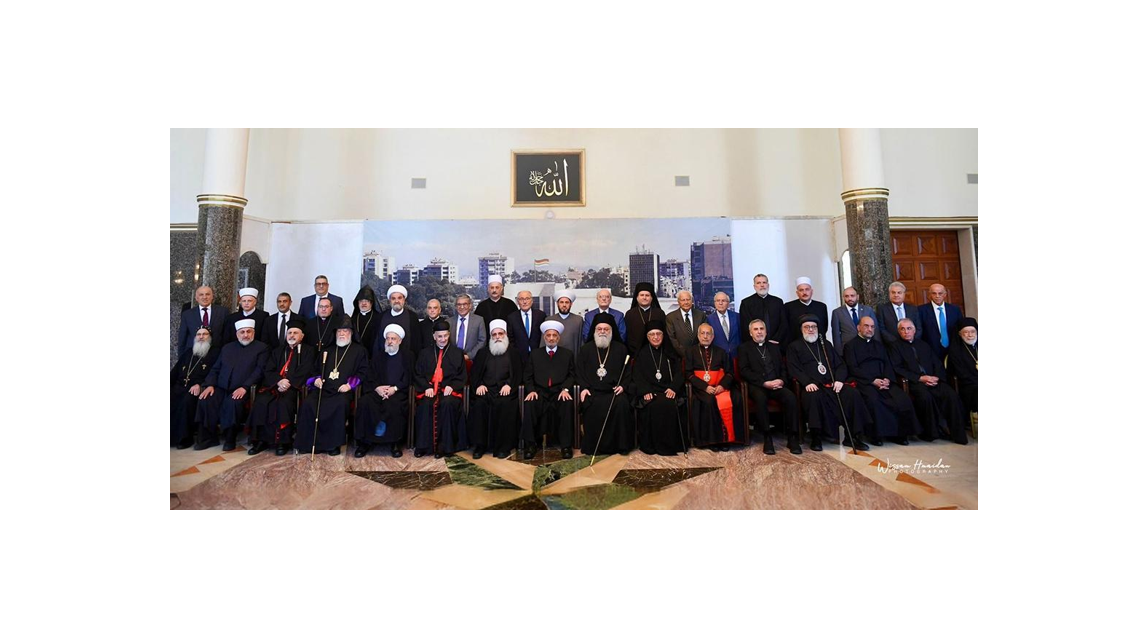
Final Statement of the Spiritual Summit
Held on June 2, 2026, at House of the Druze Community in Beirut
Proceeding from a spiritual, moral, and national duty, the Christian-Muslim Spiritual Summit convened on Tuesday, 2 June 2026, at the House of the Druze Community in Beirut, with the participation of Christian and Muslim spiritual leaders. At the conclusion of the Summit, the following statement was issued:
Their Beatitudes, Eminences, and Excellencies called for the convening of a Spiritual Summit, raising prayers and supplications to Almighty God for Lebanon and its people, expecially the martyrs and the wounded, asking Him to preserve the homeland and grant it security, stability, and peace. They declared their adherence to the shared national and spiritual principles…
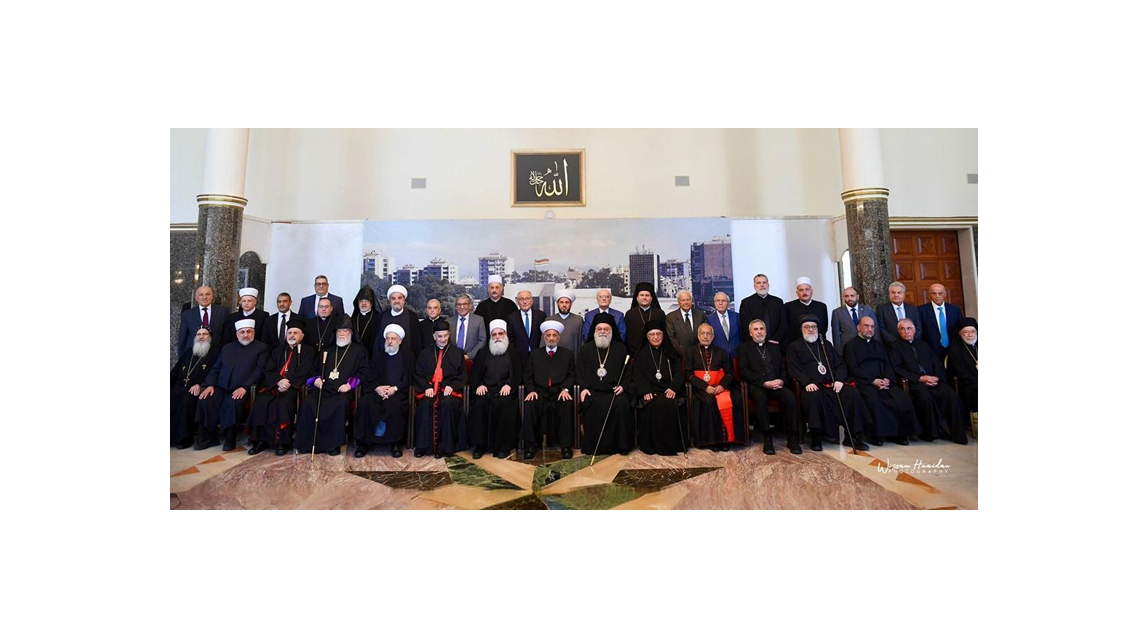
Déclaration du Sommet spirituel
Tenu le 02.06.2026 à la Maison de la Communauté Druze à Beyrouth
Partant d’un devoir spirituel, moral et national, le Sommet spirituel chrétien-musulman s’est réuni le mardi 2 juin 2026, à la Maison de la Communauté Druze à Beyrouth, avec la participation des chefs spirituels chrétiens et musulmans. À l’issue du Sommet, la déclaration suivante a été publiée :
Leurs Béatitudes, Éminences et Excellences ont appelé à la tenue d’un Sommet spirituel, élevant prières et supplications vers Dieu Tout-Puissant pour le Liban et son peuple, et surtout les martyrs et les blessés, Lui demandant de protéger la patrie et de lui accorder sécurité, stabilité et paix. Ils ont proclamé leur attachement aux principes nationaux et spirituels communs…